

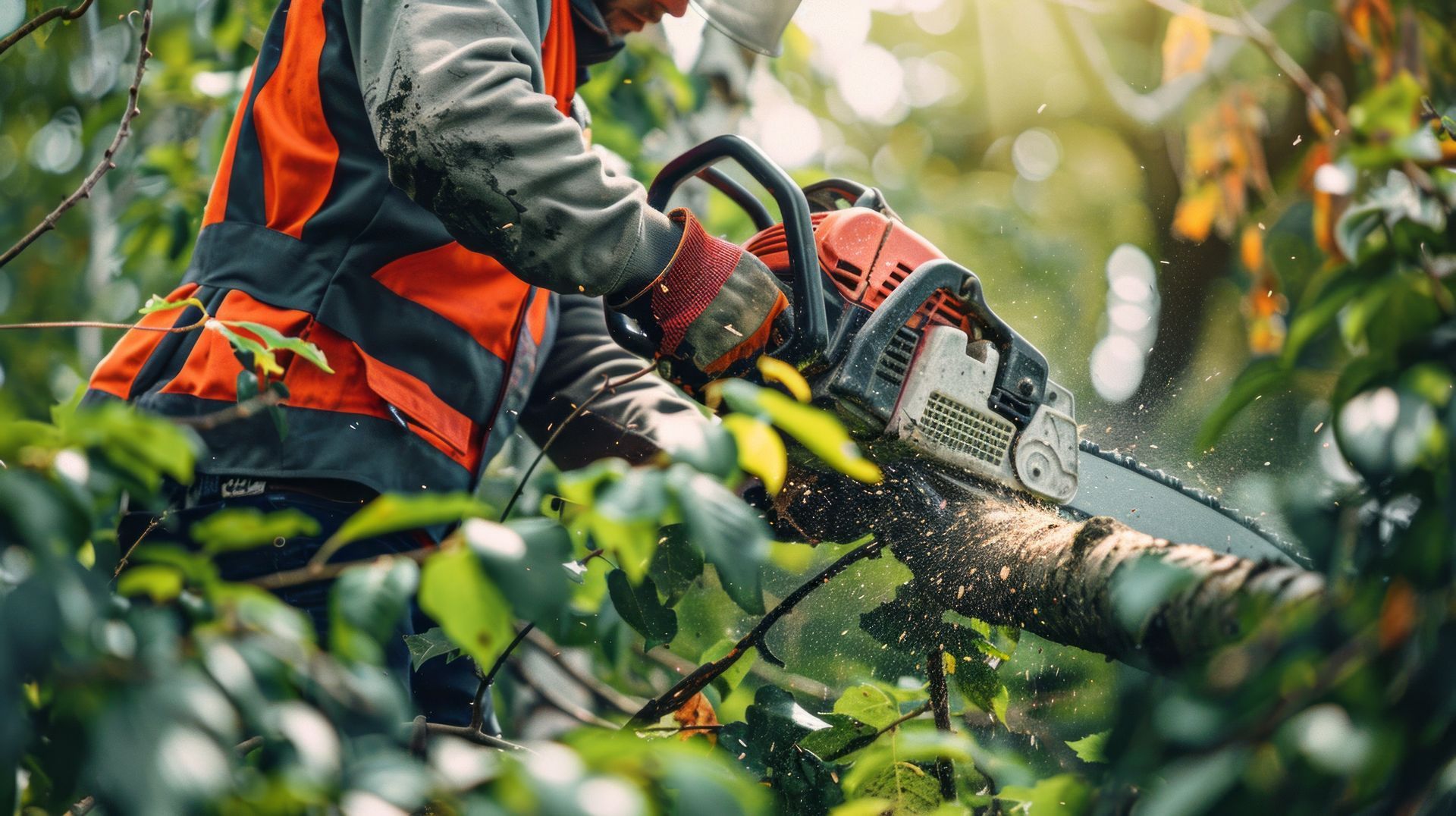
Knowing when to schedule tree trimming in Grayling, MI, can mean the difference between healthy, thriving trees and costly damage or disease. Northern Michigan's climate is uniquely demanding, with long winters, heavy snowfall, and short growing seasons that directly affect how and when trees should be trimmed. Getting the timing right is one of the most important parts of any tree service plan for property owners in this region.
Why Timing Matters for Tree Trimming in Northern Michigan
Late winter is generally the best time for tree trimming in Grayling, MI. Trees are dormant during this period, meaning they are not actively growing, which reduces stress on the plant and lowers the risk of disease or insect damage. Northern Michigan's climate amplifies this reality. Grayling sits in Crawford County, MI, where winters run long and temperatures stay cold well into March, making the dormant window slightly longer than in areas farther south.
When trees are dormant, their internal sap flow slows significantly. This matters because fresh pruning cuts are less likely to bleed sap or attract harmful insects when the tree is in its resting phase. For property owners in Grayling, MI, scheduling trimming between late January and early March may offer the most favorable conditions for clean, effective cuts that heal quickly once spring growth begins.
A Season-by-Season Guide to Tree Trimming
Understanding each season helps you plan smart maintenance throughout the year.
Late Winter (January to March): The Optimal Window
This is the prime trimming season for most tree species in Northern Michigan. Trees are fully dormant, leaves are absent so crews can clearly see branch structure, and disease-spreading insects are inactive. Scheduling tree service during this window tends to produce the best long-term results for tree health.
Spring (April to May): Proceed with Caution
Spring can be a tricky time. Trees come out of dormancy quickly in May, and trimming too early in the active growth phase can stress the tree. Some species like maples can "bleed" sap heavily if pruned in early spring. Light trimming or removal of clearly dead branches may still be appropriate, but major structural pruning is typically better left to winter.
Summer (June to August): Limited but Useful
Summer trimming may be appropriate for specific tree types. Birch trees and maple trees, for example, may respond better to mid-summer trimming because sap flow has slowed enough that cuts are cleaner. Summer is also a practical time to remove any branches that have died off or are posing a hazard to structures. However, aggressive pruning of most species during peak heat is generally not recommended.
Fall (September to November): Generally Avoid
Fall is widely considered the least ideal season for tree trimming. Pruning wounds heal more slowly in autumn, and fungi that cause decay tend to be more active. The one exception is emergency trimming for storm-damaged or hazardous limbs, which may need to be addressed regardless of season.
Common Tree Species in Grayling and When to Trim Them
Crawford County's forests are home to a mix of species, each with its own trimming needs.
- Oak trees: Trim only during the dormant season, ideally between November and March, to prevent oak wilt, a serious fungal disease spread by insects during warmer months.
- Maple trees: Late winter trimming can work, but mid-summer trimming between July and August may reduce heavy sap bleeding that often occurs in early spring.
- Birch trees: Trim in mid-summer through early fall to minimize sap loss and avoid spring sap runs.
- Pine and spruce trees: Late winter to early spring is preferred, just before new growth begins. Only remove dead or damaged branches during the growing season.
- Walnut trees: Trim during the dormant season, typically January through March, to avoid excessive sap drip and reduce stress on the tree.
What About Emergency Trimming?
Emergency trimming can and should happen any time a tree poses an immediate safety risk. Storms are common in Northern Michigan, and fallen or hanging branches may require urgent attention regardless of season. In these situations, safety comes first, and a professional tree service crew can assess and address hazards promptly.
Signs Your Trees May Need Trimming Soon
Even outside the optimal window, certain warning signs may call for action.
- Branches that are rubbing or crossing each other and causing bark damage.
- Dead or brittle limbs that could fall during a wind event or heavy snowfall.
- Branches growing too close to power lines, rooflines, or structures.
- Uneven or lopsided canopy growth affecting the tree's overall structure.
- Visible signs of disease, decay, or pest activity on specific branches.
Catching these issues early can prevent larger, more expensive problems down the road.
Ready to Schedule Tree Trimming Near Grayling, MI?
Gaylord-based Stuckman Tree Experts Inc. proudly serves Grayling, MI, and the surrounding Crawford County area with professional tree trimming, tree removal, stump grinding, and more. Whether you need seasonal maintenance or urgent tree service, their licensed crew has the experience and equipment to handle trees of any size. Call
989-732-5230 to request a free estimate, or
contact the team online to get started. You can also learn more about
tree services available in Crawford County to find the right solution for your property. Find them on Google and read what local customers are saying about
Stuckman Tree Experts Inc.